Sturdy Deck Solutions: Experience the Ultimate in Outdoor Living
Resilient decking options provide a reliable way discover here of upgrading outdoor recreational zones. By selecting materials that withstand the elements, residents can accomplish both aesthetics and lasting quality. Numerous alternatives exist, each with unique benefits and aesthetic qualities. Assessing environmental factors and care demands is vital during the planning and selection phase. While investigating the various choices, turning an outside zone into a personal haven becomes progressively within reach. Find out how to make thoughtful decisions for long-term pleasure.
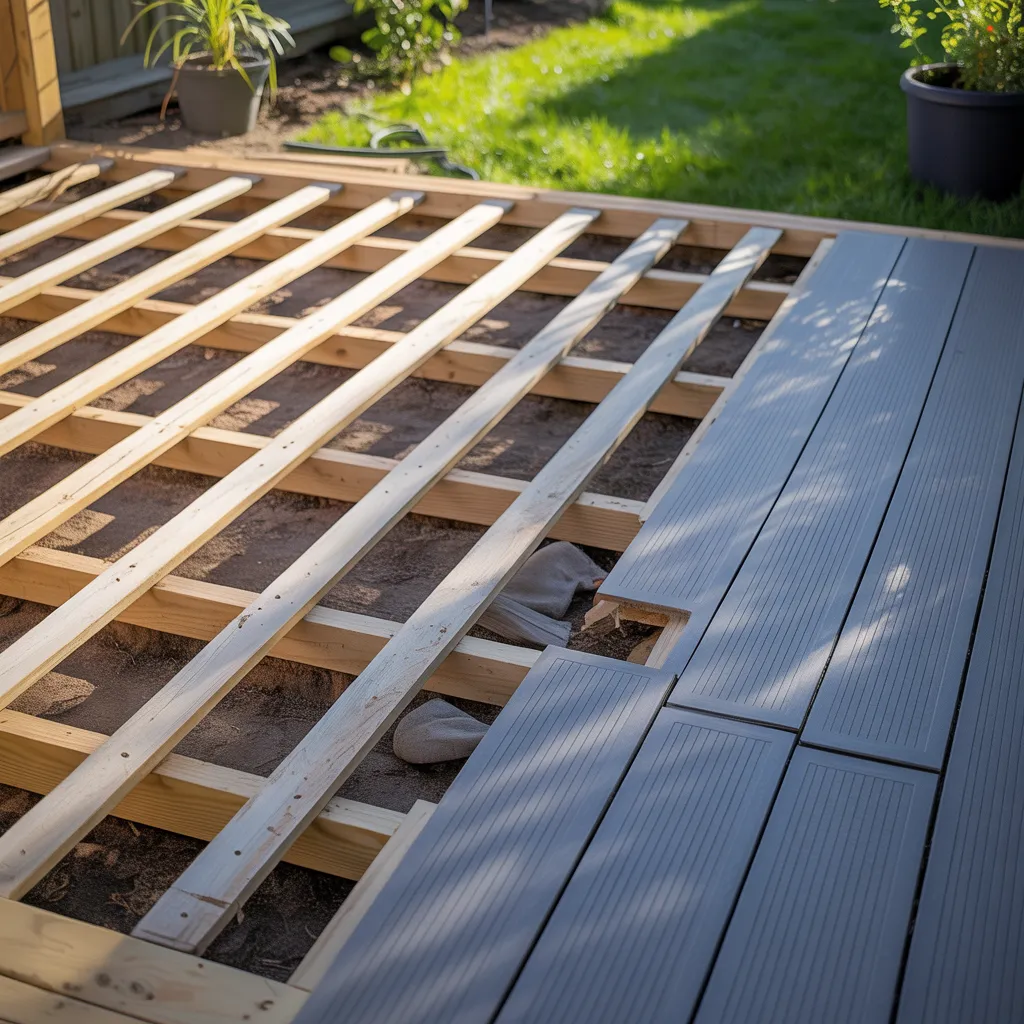
What Makes Durable Deck Materials the Right Choice for Your Outdoor Space?
When evaluating an exterior area, the selection of resilient deck options is essential, as they not only improve visual appeal but also assure longevity. Resilient materials, such as hardwood, composite decking, and PVC, hold up against the elements, reducing the need for frequent repairs or replacements. This resilience guarantees that the exterior living area stays functional and visually appealing over time.
Moreover, selecting resilient decking options can result in long-term savings on expenses. Homeowners can avoid the financial burdens associated with upkeep, such as staining or sealing, that are commonly needed with lower-quality materials. Moreover, the environmental benefit of choosing environmentally responsible choices, like responsibly sourced hardwood or recycled composites, should not be underestimated. Such options support a diminished carbon footprint while providing a gorgeous and enduring outdoor space. All things considered, opting for resilient decking enhances not only the overall outdoor living experience but also the total value of a household.
Innovative Ideas to Upgrade Your Outdoor Environment
To elevate outdoor spaces, careful design selections can make a significant impact. Creative color combinations can reshape the mood, while functional furniture arrangements ensure both relaxation and practicality. Collectively, these features can elevate any deck into a welcoming retreat.
Color Palettes That Inspire
What color choices can genuinely convert an outdoor space into a magical escape? A range of soft natural tones, like sandy beiges and muted greens, can cultivate a tranquil setting that complements the natural surroundings. In contrast, vivid blues and warm yellows can revitalize the space, delivering a dynamic counterpoint to rich green surroundings. Adding bold, warm shades like deep terracotta or rustic reds can bring depth to the area, creating a comfortable and inviting atmosphere. To achieve a contemporary aesthetic, explore monochromatic designs featuring different shades of gray, highlighted by vibrant pops of color in the accessories. Ultimately, the right color scheme not only enhances aesthetic appeal but also influences the mood, encouraging relaxation and enjoyment in outdoor living environments.
Practical Furniture Layouts
Creating a well-thought-out furniture arrangement can substantially boost the usability and decorative charm of an outdoor space. As a starting point, clustering seating zones encourages interaction, while blending various seating options like chairs, benches, and loungers caters to various preferences. Additionally, situating a dining table adjacent to the kitchen or grill ensures ease during dining. Making use of multi-purpose furniture such as storage ottomans or collapsible tables maximizes space efficiency. Using rugs in layers can establish dedicated spaces, contributing dimension and comfort. Beyond that, integrating plants and decorative elements can smooth out rigid surfaces and foster a welcoming environment. At its core, a strategic furniture layout not only enhances practicality but also converts the outdoor space into an elegant continuation of the home, encouraging relaxation and enjoyment.
Top Durable Deck Materials for Longevity
When selecting deck materials, three primary options stand out for their exceptional durability and longevity. To begin, composite decking merges wood fibers with recycled plastic materials, offering resistance to moisture damage, rot, and insect activity. This blend not only minimizes maintenance but also delivers an attractive appearance. Following that, PVC decking, produced entirely from man-made materials, is impervious to water and stains, guaranteeing extended durability without requiring painting or sealing. Its vibrant colors and textures maintain their appeal over time. To conclude, natural hardwoods including Ipe and Teak are recognized for their exceptional strength and natural resistance to environmental elements. These dense woods can withstand heavy foot traffic and harsh weather conditions, making them an ideal selection for particular homeowners. In the end, each of these materials offers distinct advantages, permitting buyers to decide based on their particular needs and tastes for exterior living spaces.
Essential Maintenance Tips to Prolong Your Deck's Life
Keeping up a deck is essential for ensuring its lifespan and attractive appearance. Consistent cleaning is a critical measure; dirt, debris, and fallen leaves should be removed to prevent mold and mildew growth. Using a gentle soap solution and a soft-bristle brush can help keep the surface pristine without causing damage.
Sealing the deck every one to three years is vital. This barrier shields the wood from moisture and UV exposure, helping to maintain its strength and appearance. Moreover, routinely examining the deck for unsecured boards, rusted fasteners, or visible wear ensures that repairs can be made in a timely manner before damage progresses.
Homeowners should also avoid placing large furniture pieces in one spot for long durations, as doing so can lead to pressure marks and indentations. Furthermore, placing furniture pads beneath items can help distribute weight evenly, minimizing pressure on the deck surface. By implementing these care practices, property owners can considerably prolong the durability of their outdoor spaces.
Selecting Decking According to Your Climate
Picking the right decking material is crucial, especially since weather conditions can considerably affect its long-term durability. In areas with elevated moisture levels, such as coastal areas, materials like composite decking may be a better choice due to their resistance to mold and decay. In contrast, arid regions can result in increased sun exposure, making hardwoods like teak and ipe excellent options, as they are naturally resistant to UV damage.
In colder climates, cycles of freezing and thawing can damage decking materials. In such environments, composite or treated wood materials designed for extreme conditions can offer extended durability. Furthermore, locations susceptible to significant rainfall may benefit from raised designs or slatted deck configurations to guarantee proper drainage.
Ultimately, understanding local weather patterns can guide homeowners in selecting materials that will not only enhance aesthetics but also stand the test of time, assuring a functional and beautiful outdoor space.
Budgeting Tips for Your Dream Deck
When planning a dream deck, thoughtful budgeting is crucial. Homeowners should start by assessing their financial objectives, calculating material expenses, and accounting for labor costs. This organized strategy secures a feasible and manageable deck project.
Assess Your Financial Goals
What is the best way to budget for a dream deck that satisfies both design aspirations and financial constraints? First, it's crucial to define clear financial goals, figuring out how much money can be confidently set aside for the project without disrupting other financial commitments. Establishing a range helps avoid overspending and allows for adjustments as needed. Subsequently, available funding sources including savings accounts, personal loans, or home equity lines should be thoroughly examined to determine financial capacity. Additionally, prioritizing features can help identify must-haves versus nice-to-haves, guaranteeing that the most important aspects are funded first. Consistently monitoring and updating the budget during the planning process ensures it remains in line with financial objectives, resulting in a rewarding and well-executed outdoor retreat.
Determine Material Costs
Allocating funds for a perfect deck requires an accurate estimation of material costs, which is an essential step in keeping the project aligned with budgetary constraints. Property owners ought to start by exploring the variety of materials on the market, including composite, wood, and PVC. Each option comes with distinct pricing, durability, and maintenance considerations. Calculating the full square footage of the deck is essential to establish the amount of materials required. Furthermore, accounting for elements like railings, staircases, and surface finishes will affect the final budget. Collecting bids from local vendors can offer a more accurate understanding of costs. Through consolidating these figures, homeowners can efficiently allocate resources for their perfect deck, reconciling their goals with fiscal limitations and steering clear of unanticipated costs during the construction process.
Consider Labor Expenditures
Labor expenditures represent a key element when budgeting for your ideal deck. Homeowners must evaluate both direct and indirect financial obligations when engaging professional help. Direct expenses cover the pay rates of experienced workers, whereas indirect costs can include liability coverage, building permits, and tool rentals. It is essential to obtain multiple quotes from contractors to guarantee competitive pricing. Additionally, understanding the scope of the project will help in accurately estimating labor time and costs. DIY options can reduce expenses, but they require careful assessment of skill levels and time commitment. Ultimately, factoring in labor expenses effectively will help homeowners create a realistic budget, guaranteeing that their perfect deck is as stunning as it is affordable.
Revamping Your Backyard: Real-Life Deck Transformations
Many homeowners have discovered the transformative power of deck makeovers, transforming simple backyards into extraordinary outdoor escapes. Most of these undertakings commence with a clear vision, whether it's creating a serene space for relaxation or a lively setting for social events. Inspiring examples highlight a variety of aesthetics, from contemporary composite surfaces to charming wooden textures, every one crafted to reflect the homeowner's unique taste.
One standout renovation involved a small, neglected deck that was enlarged and reimagined with multi-level features, integrating built-in seating and ambient lighting. Another project featured a full renovation, swapping aged timber for long-lasting, easy-care materials, enhancing both functionality and appearance.
Landscaping furthermore fulfills a critical purpose, with carefully positioned plants and lighting elevating the surrounding atmosphere. By investing in thoughtful design and quality materials, homeowners are accomplishing far more than renovating their decks; they are building tailored outdoor havens that embody their personalities and desires, elevating the entire backyard experience.

Commonly Asked Questions
What Are the Environmental Impacts of Different Decking Materials?
Various decking options have varied environmental consequences. Wood decking contributes to deforestation, while composite decking commonly incorporate recycled plastics, reducing landfill waste. Furthermore, concrete has a high carbon footprint, influencing overall sustainability in exterior living areas.
How Can I Enhance Safety on My Deck?
To increase safety on a deck, one should apply non-slip surfaces, install sturdy railings, ensure adequate lighting, consistently examine for structural integrity, and maintain the area free of debris to reduce the risk of accidents and injuries.
Are There Financing Options for Decking Projects?
A number of decking providers offer funding alternatives, including structured payment options or relationships with banks and lenders. Such solutions can enable homeowners handle expenses efficiently, allowing them to secure high-quality materials and expert installation for their decking projects.
What Permits Do You Need for Deck Construction?
Deck construction typically requires building permits, zoning approvals, and sometimes environmental assessments. Local regulations vary, so it's essential for homeowners to consult their municipality to guarantee compliance with all necessary legal requirements before beginning the project.
How Can I Select the Best Contractor for My Deck?
To select the right contractor for a deck, individuals should research credentials, examine feedback, compare quotes, verify insurance, and evaluate responsiveness. Establishing harmony with the design vision is vital for a fruitful working relationship.